
Why Grace Matters Here One of the reasons Christianity feels different from other belief systems isn’t because others are bad or wrong—but because Christianity starts from a different place. At its core, Christianity teaches that salvation is a gift, not something you earn, achieve, or keep through effort. Growth and change come from being accepted first—not from trying harder to be worthy. That order matters. Many spiritual paths, even meaningful ones, focus on what a person must do to become whole: improve, balance, obey, or awaken. Christianity says something different—that wholeness begins when the work is already done. When Jesus said, “It is finished,” He wasn’t setting people up for a lifetime of proving themselves. He was saying the foundation was complete. And yet, even within Christianity, this can get blurry. Grace may be preached, but peace still feels conditional. Belonging can feel tied to behavior, church involvement, or meeting certain expectations. Over time, people begin striving again—this time spiritually. When that happens, fear replaces rest, and identity becomes fragile. The Christian story keeps returning us to a simpler truth: identity comes before effort. Growth follows belonging, not the other way around. Change still matters—but it flows from clarity and security, not pressure. This understanding shapes how this coaching is offered. There is no earning, fixing, or proving here. Just space to think clearly, reflect honestly, and move forward freely. If this perspective resonates, you’re welcome to read more. If it doesn’t, that’s okay too. Grace has always left room for choice.
Understanding the Struggle: Why Do We Sometimes Act Against Our Own Desires?
When we are born, we are separated from God. But what He created, by design, was created to survive–to learn what is helpful and what is hurtful–to protect us. Many of us learn these lessons through conditions that leave us with no good option and what we learned then, isn’t always helpful in other circumstances now. If dad was abusive, it may be hard to trust your husband. If mom left you behind, you may never really depend on your wife as a helper. And deep down, you may expect she will leave at any time. All of us may even aggravate our situations just to prove what we’ve learned to believe is true. These learned behaviors are not always evident and may become harder and harder to hide as we get older. When we come to salvation, our spirit becomes the authority over our mind and flesh. We are commanded to trust Him alone and when our spirit is in charge we can. But too often we default to our flesh, rely on “what we know” all because what we learned is so deep within us, it’s difficult to walk away from it, IF we even recognize what it is that we’re doing. Our logical mind says “I trust God” but our fruit shows otherwise. Paul talks about being unable to do what he desires to do and what he doesn’t want to do, he does. This is the power of the flesh. By design. It ensures our survival until salvation. It’s our safety net until we have the Holy Spirit to guide us. This gives the enemy an opportunity to camp out in places in our lives. For something to happen, it requires 2 things: God’s will and our own. God’s will is FIXED. What He wills, happens. Our wills are VARIABLE, when we struggle to have faith, it’s hard for us to believe. This interrupts our ability to receive. We have nothing to give from, leading to an inability to truly for-give and we fall short at commanding by His authority. But when we come into agreement with His will, He can move mountains through us. Mark 11:22-29 says (22) have faith in God, (23) command without doubt, (24) believe & receive, (25) forgive/be forgiven, and finally (29) it’s all by His authority. There’s an order. It requires us to choose and participate for His will to be complete through us. Any chronic condition we experience causes us to act according to the limitations of the struggle. We may earnestly seek help but never get better. Our brain naturally seeks out patterns based on this conditioning, causing us to align false beliefs as facts. This leads us to conclude that what we perceive must be logical and correct. But what “feels” logically right may only reflect past and current facts, not future truth. Truth is timeless, and it’s anchored in God’s unchanging nature. All of us know ongoing stress causes sickness. We even talk about it without really making a conscious connection…someone is a pain in the neck…that person makes me sick…I wish my boss would get off my back. Do you think that person might have some back pain? When it comes to the pain and stress we carry, a process called Neuro Emotional Technique (NET) reveals something vital: this pain and stress is often rooted in a lie. These lies tell us, “This can still hurt you.” When we believe a lie, we cannot agree with God’s will. NET reveals the lie and allows the person to agree with the truth. It engages the body’s reactions to de-fuse the alarm attached to these lies. When the physical response is resolved, the enemy’s claim loses its grip. As this happens, our ability to see truth and believe with our whole being is restored. This technique allows the nervous system to update to its present day environment and allows you to have a new relationship with your history. It uses the body’s energy and brain responses to find problems. Interestingly, when we use machines to measure this, it’s accepted as logical and becomes the standard. But when we engage the human body itself—the very organism designed by God—it’s often seen as unconventional or out of bounds. But, when that information aligns—when the body and mind bear witness to the truth of it—it can resonate deeply within the individual and bring more than just relief. It can offer resolution. The goal of this approach isn’t just about identifying issues; it’s about refining sensitivity. Every profession gets stuck looking at only the body or only the mind. We aim to discern dysfunction before it becomes a disease by bringing the body and the mind together. It’s about healing, restoration, and freedom—not just for the body, but for the whole being. When what we believe aligns with His will, we can move mountains. It allows us access again to our free will so we can love what was once thought to be unlovable. We can serve, we can forgive, and we can heal what seemed impossible.
Glucose Dysregulation and Stress: A Detailed Overview
Glucose Handling: Parasympathetic vs. Sympathetic Perspective Glucose regulation is intricately connected to the body’s autonomic nervous system, which comprises two main branches: the parasympathetic (rest-and-digest) and sympathetic (fight-or-flight) nervous systems. These two systems maintain homeostasis and adapt the body’s metabolism to changing demands. Parasympathetic (Rest-and-Digest): The parasympathetic nervous system is dominant when the body is at rest. It promotes digestion, absorption, and storage of nutrients, including glucose. After consuming food, parasympathetic stimulation: Promotes Insulin Secretion: The pancreas releases insulin, which facilitates the uptake of glucose into cells for energy use or storage as glycogen. Enhances Cellular Glucose Uptake: Insulin signals target cells (muscle, liver, and fat) to increase glucose transporter proteins (GLUT4) on their surfaces, enabling glucose to enter the cells. Glycogenesis: Glucose is stored as glycogen in the liver and muscle tissues. Sympathetic (Fight-or-Flight): In response to stress, the sympathetic nervous system dominates. It triggers the release of stress hormones like cortisol and adrenaline (epinephrine), which prepare the body for immediate energy needs: Gluconeogenesis & Glycogenolysis: Cortisol and adrenaline stimulate the liver to break down glycogen into glucose (glycogenolysis) and create glucose from non-carbohydrate sources (gluconeogenesis). This raises blood sugar levels, ensuring energy availability during stress. Inhibits Insulin Secretion: Elevated cortisol and adrenaline suppress insulin, preventing glucose from being taken into cells and ensuring it remains in the bloodstream for immediate use. Lipolysis: Fat stores are broken down to release free fatty acids for alternative energy, further reducing reliance on glucose. Stress-Induced Glucose Dysregulation Chronic stress, whether psychological, emotional, or physical, can lead to persistent sympathetic activation. Over time, this sympathetic dominance leads to several problems in glucose handling: Hyperglycemia: Prolonged stress continuously elevates blood glucose due to persistent cortisol and adrenaline release, promoting gluconeogenesis and glycogenolysis. Insulin Resistance: Repeated stress exposure and elevated blood glucose can lead to cells becoming less responsive to insulin, which contributes to insulin resistance—a hallmark of Type 2 diabetes. Beta-cell Exhaustion: The pancreas is overworked to produce more insulin to compensate for high glucose levels. Eventually, the beta cells (insulin-producing cells) can become exhausted, worsening glucose dysregulation. Fat Deposition and Metabolic Syndrome: Chronic high cortisol also promotes fat storage, especially around the abdomen, contributing to metabolic syndrome, further exacerbating glucose dysregulation. The Role of Stress Reduction in Reversing Glucose Dysregulation Addressing stress is crucial for breaking the cycle of glucose dysregulation. By restoring balance in the autonomic nervous system, parasympathetic activity can be promoted, leading to: Improved Insulin Sensitivity: Lower stress means reduced cortisol and adrenaline, allowing insulin to function more effectively, and decreasing the risk of insulin resistance. Balanced Glucose Production: Parasympathetic dominance supports proper digestion, absorption, and glucose storage, preventing excessive glucose production from the liver. Cellular Glucose Uptake: With reduced stress hormones, cells become more responsive to insulin, enabling efficient glucose uptake and energy use. How Resonate Wellness Chiropractic Addresses Stress-Related Glucose Dysregulation Resonate Wellness is a holistic practice that integrates techniques such as Neuro Emotional Technique (NET), Body Code, Quantum Neurology (QN), and others to address both the physiological and emotional stressors contributing to glucose dysregulation. Here’s how these can help: Neuro Emotional Technique (NET): NET identifies and resolves underlying emotional stressors, which are often stored in the nervous system. By addressing these, NET can reduce the body’s chronic stress response, shifting the autonomic balance toward parasympathetic dominance, thereby improving insulin sensitivity and glucose handling. Body Code: Body Code aims to identify imbalances in energy, emotions, and body systems. By releasing trapped emotions and correcting imbalances, it can help reduce the body’s stress load, fostering a more balanced autonomic response and improving metabolic functions, including glucose regulation. Quantum Neurology (QN): QN focuses on nervous system rehabilitation. By optimizing nervous system function through light therapy and neurological corrections, the body can better manage stress, improving both sympathetic and parasympathetic balance. This contributes to improved insulin sensitivity and overall metabolic health. Chronic stress and glucose dysregulation are deeply interlinked due to the effects of the autonomic nervous system on insulin production and glucose metabolism. These holistic techniques target both the emotional and physiological root causes of stress, thereby promoting a parasympathetic shift. This allows for better glucose handling and long-term reversal of dysregulation through improved insulin sensitivity, reduced stress hormone output, and enhanced nervous system function. Citations: Sapolsky, R. M. (2004). Why Zebras Don’t Get Ulcers. Holt Paperbacks. Epel, E. S., et al. (2004). “Stress and body shape: stress-induced cortisol secretion is consistently greater among women with central fat.” Psychosomatic Medicine, 66(5), 632-637. Black, P. H. (2003). “The inflammatory response is an integral part of the stress response: Implications for atherosclerosis, insulin resistance, Type II diabetes and metabolic syndrome X.” Brain, Behavior, and Immunity, 17(5), 350-364.

Optimal Health Solutions: Your Gateway to Wellness
Are you looking for a holistic approach to your health and wellness? Look no further than Resonate Wellness Chiropractic in Lewisville, Texas. At Resonate Wellness Chiropractic, we offer a variety of services aimed at improving your overall well-being and addressing the root cause of any health issues you may be experiencing. Our center specializes in chiropractic treatment, neurological rehabilitation, custom nutrition plans, stress resolution techniques, and identifying the underlying factors contributing to your health concerns. We believe in providing individualized care to all of our patients, whether you are dealing with chronic conditions or simply not feeling your best despite normal diagnostic results. When you visit Resonate Wellness Chiropractic, you can expect to have access to the latest chiropractic equipment and tools, including instrument adjusting and manual adjusting using a drop table. We also offer a range of high-quality nutritional supplements and custom nutrition plans tailored to your specific needs. Additionally, our stress relief tools, such as at-home care coaching, grounding activities, journaling, and exercise recommendations, can help you manage and reduce stress in your daily life. Our goal at Resonate Wellness Chiropractic is to provide sensitive and individualized care to each and every one of our patients. We believe that by addressing the root cause of health issues and treating the whole person, we can help you achieve optimal health and well-being. If you are ready to take control of your health and start your journey to wellness, visit us at our location on State Hwy 121 Bypass Suite A250 in Lewisville, Texas. Our website is also a valuable resource for learning more about our services, finding information about our location, and accessing resources for at-home care. At Resonate Wellness Chiropractic, we are here to support you on your path to optimal health. Contact us today to schedule your consultation and start your journey to wellness.

Chiropractic Care in Lewisville: Restoring Health Naturally
Welcome to a place where health and wellness converge naturally. Located in Lewisville, Resonate Wellness Chiropractic offers a range of holistic services to restore your health and vitality. At Resonate Wellness Chiropractic, the focus is on individualized care for chronic conditions and overall well-being. With a comprehensive approach that includes chiropractic treatment, neurological rehabilitation, custom nutrition plans, and stress resolution techniques, the center aims to address the root cause of health issues and provide effective solutions for patients. Chiropractic care is a key component of the services offered at Resonate Wellness Chiropractic. Through instrument adjusting or manual adjusting using a drop table, Dr. Parker works to restore proper alignment and function to the body, promoting healing and wellness from within. In addition to chiropractic care, the center also offers nutritional supplements from trusted sources, as well as custom nutrition plans to support the specific needs of each patient. By addressing nutritional imbalances and deficiencies, patients can optimize their health and well-being. Stress relief is another important aspect of the care provided at Resonate Wellness Chiropractic. Through techniques such as coaching for at-home care, grounding activities, journaling, and exercise, patients can learn to manage and reduce stress levels, promoting overall health and vitality. Located at 405 State Hwy 121 Bypass Suite A250, Lewisville, TX 75067, Resonate Wellness Chiropractic is easily accessible to those seeking natural healthcare solutions in the area. The center’s commitment to providing sensitive, individualized care is evident in the personalized approach taken with each patient. To learn more about the services offered at Resonate Wellness Chiropractic, as well as for resources for at-home care and tips for maintaining optimal health, visit the center’s website. With a wealth of information available, patients can empower themselves to take control of their health and well-being in a natural and holistic way. If you are ready to embark on a journey towards restored health and vitality, consider the holistic services offered at Resonate Wellness Chiropractic. With a focus on individualized care and a commitment to addressing the root cause of health issues, the center provides a comprehensive approach to wellness that can help you thrive.

Quantum Neurology: Unlocking the Power of Neurological Rehabilitation
Neurological rehabilitation is a crucial aspect of healthcare for individuals dealing with chronic conditions or unexplained health issues. At Resonate Wellness Chiropractic, a healthcare center located in Lewisville, TX, a unique approach called Quantum Neurology is utilized to unlock the power of neurological rehabilitation. Quantum Neurology is a cutting-edge technique that focuses on assessing and strengthening the nervous system to optimize overall health and well-being. By utilizing specific protocols and exercises, Quantum Neurology aims to identify and address neurological weaknesses or imbalances that may be contributing to a variety of health issues. One of the key benefits of Quantum Neurology is its ability to provide individualized care tailored to each patient’s unique needs. Whether a patient is experiencing pain, mobility issues, or other health concerns, Quantum Neurology can be customized to target specific areas of the nervous system in order to promote healing and improve overall function. At Resonate Wellness Chiropractic, patients have access to a range of services aimed at supporting their health and wellness goals. In addition to Quantum Neurology, the center also offers chiropractic treatment, custom nutrition plans, stress resolution techniques, and tools for identifying the root cause of health issues. For those seeking natural and holistic approaches to health in Lewisville, TX, Resonate Wellness Chiropractic provides a comprehensive range of services and resources to support their journey towards optimal well-being. By incorporating Quantum Neurology into their practice, the center is able to offer innovative solutions for those looking to unlock the power of neurological rehabilitation and improve their quality of life.
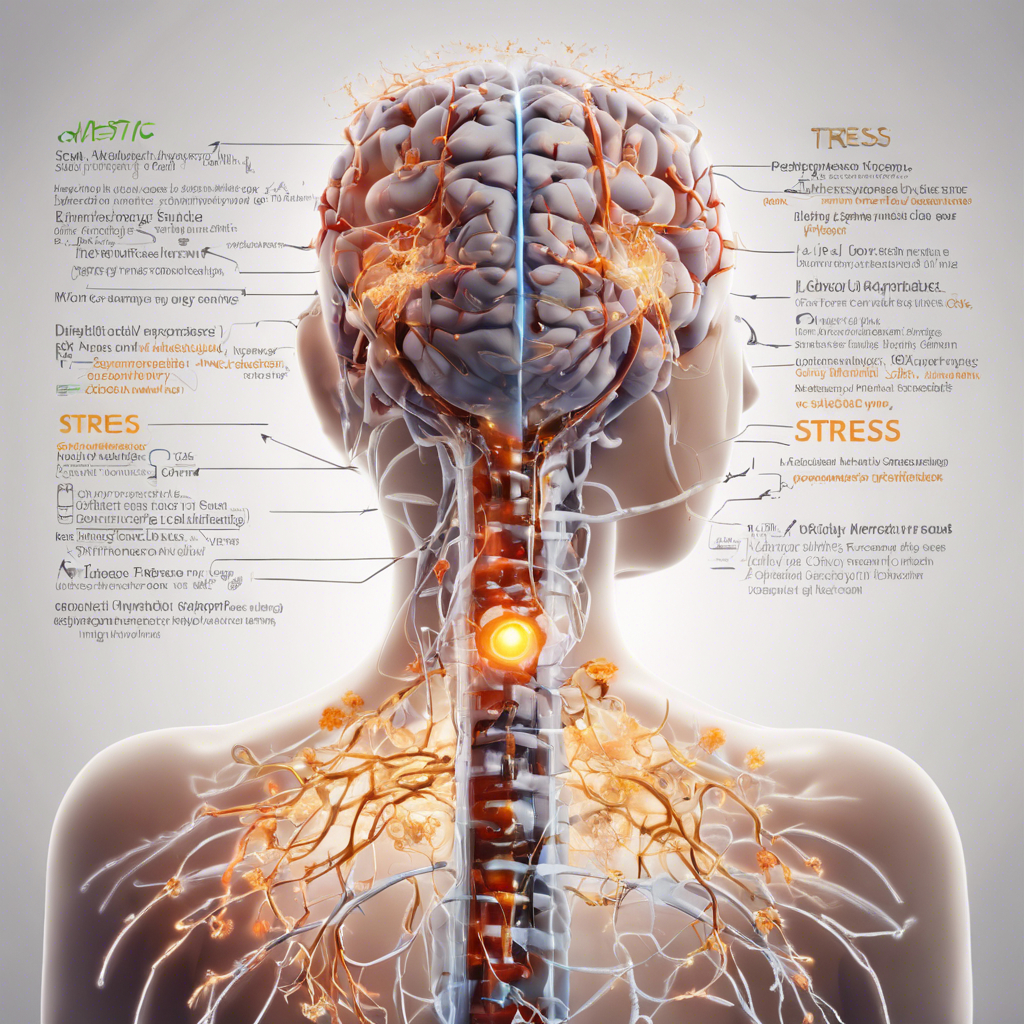
How Stress Messes with Your Blood Sugar (and How to Fix It)
Did you know that when you’re stressed, it affects more than just your mood? It can actually mess with your blood sugar! Let’s break it down in a way that’s easy to understand. What Happens When You Eat? When you eat food, your body turns it into sugar (called glucose) that travels through your blood. This sugar is used as energy by your cells so you can run, think, and even sleep. But to get the sugar into your cells, you need a helper called insulin. Insulin is like a key that unlocks the door to your cells so the sugar can get inside. Normally, when you eat, your body is in “rest mode” (the fancy term is parasympathetic mode), which means it’s calm and focusing on digesting food, storing energy, and keeping things in balance. Insulin is working just fine, letting sugar into your cells for energy. How Stress Changes Everything When you’re stressed, your body goes into “fight-or-flight mode” (the sympathetic mode). This is like a survival mode that kicks in when you’re in danger, even if the danger is just an argument or too much traffic. Your body thinks it needs a lot of energy right now to deal with the stress, so it: Releases stress hormones like adrenaline and cortisol. Pumps more sugar into your blood to give you the energy to fight or run. Stops using insulin well because it needs the sugar to stay in the blood, ready for action. But if you’re stressed all the time—whether it’s from work, home, or even emotional worries—your body keeps releasing too much sugar into your blood, even when you don’t need it. This can cause a problem called glucose dysregulation, which means your body can’t control its sugar levels well. Why Is This a Problem? If there’s too much sugar in your blood for too long, your body becomes insulin resistant—this means your cells stop listening to insulin and refuse to let the sugar in. As a result, the sugar builds up in your blood instead of being used for energy. Over time, this can lead to problems like weight gain, feeling tired all the time, or even diabetes. How Reducing Stress Can Help The good news is, if stress causes the problem, calming down can help fix it! When you lower your stress, your body can switch back to “rest mode.” Here’s what happens: Less stress hormone: Your body stops pumping out so much cortisol, so it doesn’t need to keep extra sugar in your blood. Better insulin response: Your cells start listening to insulin again, which means they can take in sugar and use it for energy, just like they should. How Resonate Wellness Can Help At Resonate Wellness Chiropractic, special techniques are used to help your body handle stress better. Here’s how they work: Neuro Emotional Technique (NET): This helps you deal with emotional stress by finding and releasing the stress your body holds onto. Once that stress is gone, your body can go back to being calm, which helps control blood sugar. Body Code: This technique finds out what’s causing imbalances in your body, like trapped emotions or energy blocks, and releases them. By doing this, it helps reduce the stress load on your body, so it can regulate blood sugar better. Quantum Neurology (QN): This helps repair and balance your nervous system, which is in charge of your stress response. When your nervous system is working well, your body doesn’t overreact to stress, helping keep your blood sugar balanced. Stress can make it hard for your body to control blood sugar, but the great news is that reducing stress can help. With the right techniques, you can train your body to handle stress better, which can make a huge difference in keeping your energy steady and preventing long-term problems with blood sugar. Want a deeper dive? Keep reading… Glucose Dysregulation and Stress: A Detailed Overview